
If you’ve ever scrolled through a dispensary menu and spotted something called RSO, you’re not alone in wondering what it is. The name doesn’t give much away, and for new medical
medical marijuana patients, it can be hard to tell how it works or whether it’s right for you.
This guide breaks down what RSO is, what it’s used for, and how to consume it safely and comfortably as part of your medical marijuana routine.
What is RSO?
RSO, which stands for Rick Simpson Oil, is a potent, full-plant medical marijuana extract that’s highly popular among medical marijuana patients seeking long-lasting relief. “Full-plant” means that RSO contains the plant’s entire spectrum of naturally occurring compounds.
This spectrum of compounds includes the cannabinoids tetrahydrocannabinol (THC) and cannabidiol (CBD), as well as minor cannabinoids and terpenes. Many patients thus value RSO for the entourage effect, through which plant compounds work synergistically to potentially enhance therapeutic benefits.
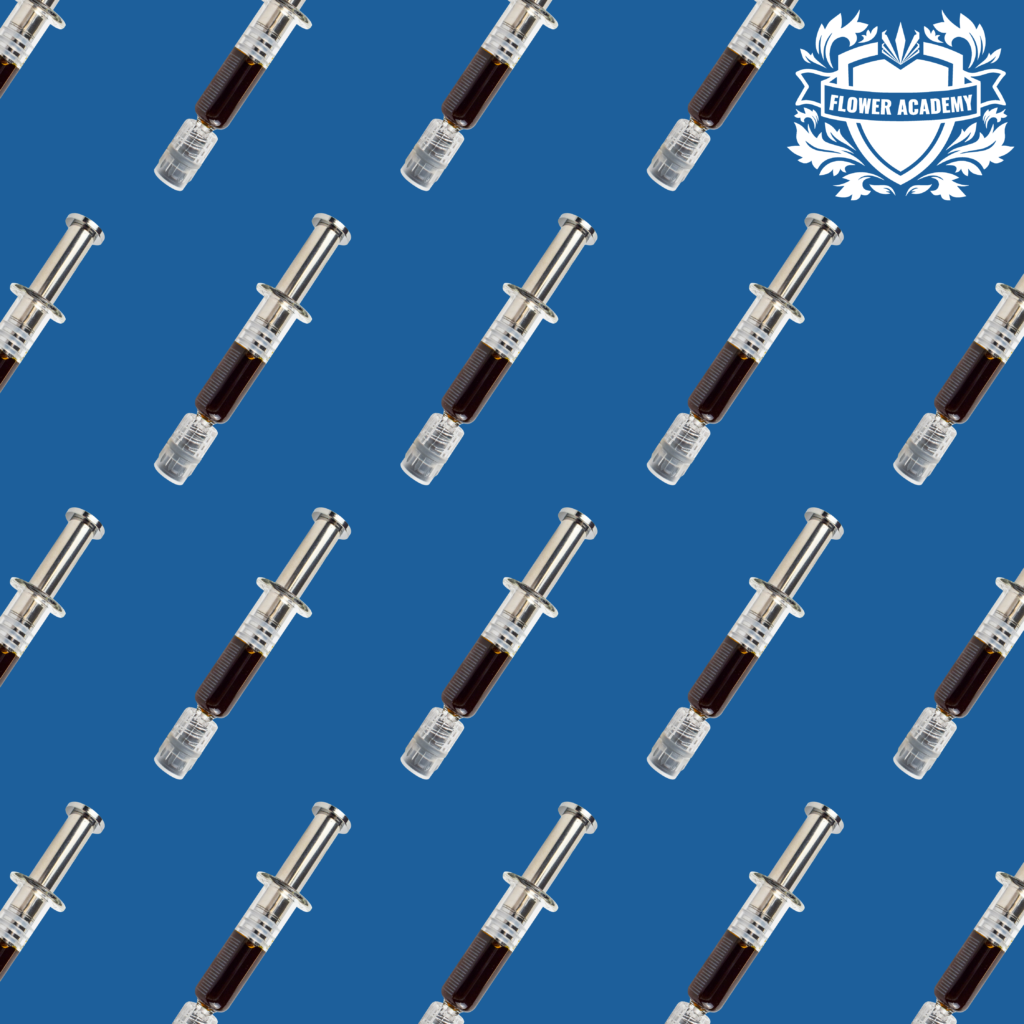
RSO is taken orally or applied topically, making it an excellent option for anyone seeking an inhalation-free form of medicine. It’s an activated concentrate, which means it’s ready to consume right from the syringe, with no inhalation or extra preparation required.
Who is Rick Simpson?
Rick Simpson is a Canadian advocate and medical marijuana consumer who developed the oil that now bears his name. He created RSO in the early 2000s as a way to extract the plant’s cannabinoids and terpenes into a concentrated oil for medical use. Notably, Simpson never patented his cannabis invention or sold it in any way. Instead, he made the process of creation publicly available for anyone to use.
Although Simpson’s work innovated a new method of extraction, scientific research on RSO’s effects is still limited. That said, many medical marijuana patients love RSO and view it as integral to supporting their well-being.
Why do patients choose RSO?
Patients use RSO for hours of relief, potent full-spectrum effects, inhalation-free consumption, and precise cannabinoid dosing.
Long-lasting relief
When consumed orally, RSO may offer effects that last significantly longer than inhaled products — often several hours.
Full-plant support
RSO contains a wealth of cannabinoids and terpenes that all work together. Some patients feel that this full spectrum of compounds provides more balanced or comprehensive relief.
High potency
With RSO, a little can go a long way. This makes RSO useful for patients with higher tolerance or more severe symptoms.
Inhalation-free options
Because RSO is consumed orally or used topically, it’s ideal for patients who prefer to avoid medical marijuana flower or vaporizers.
Precise dosing
RSO comes in a measured syringe (without a needle), allowing patients to dispense tiny, controlled amounts.
How RSO is made
RSO is produced by carefully drawing out the active compounds from the medical marijuana plant using a solvent (typically alcohol). This solvent extracts cannabinoids, terpenes, and other natural plant compounds. Once extraction is complete, the mixture is gently warmed to evaporate the solvent, leaving behind a dense, sticky oil that contains the plant’s full range of compounds.
Heating the mixture also converts the plant’s cannabinoids into their active forms via a process called decarboxylation (the same process that occurs when taking a lighter to medical marijuana flower). This means RSO can be taken directly without any further preparation.
Unlike other medical marijuana extracts that are filtered or refined, RSO keeps more of the plant’s natural materials intact. Waxes, lipids, and even chlorophyll remain in the oil, giving RSO its characteristic dark color, thick texture, and full-spectrum properties.
Can you make RSO at home?
Although it’s possible to attempt RSO extraction at home, creating a product that is both safe and effective is difficult and highly dangerous. Licensed medical marijuana dispensaries such as Vytal Options offer RSO produced under strict safety standards and tested for purity, ensuring that there are no harmful contaminants. Buying RSO from a dispensary ensures consistent potency and quality, and it saves you the burden and hazard of trying to make it yourself.
How to consume RSO
RSO works best in very small doses. Here’s how each method works and what to expect.
1. Oral consumption (swallowing)
Oral consumption is the most common way patients consume RSO, especially for long-lasting relief. To start, take a very small amount — no more than half a grain of rice. Place it on a piece of food (something with a bit of fat works well), and swallow it as you would any other bite.
You should expect:
- A slow onset of effects (30 minutes to two hours)
- Relief that can last multiple hours or longer
- Strong effects, especially for new patients
2. Under the tongue (sublingual)
Some patients prefer under-the-tongue (sublingual) administration because it may lead to effects faster than with oral consumption. To try this method, place a very small amount of RSO under your tongue, hold it there for 30 to 60 seconds, and then swallow.
You should expect:
- A faster onset of effects than with oral consumption (around 45 minutes)
- Long-lasting effects
- Benefits for patients wanting quicker support without inhalation
3. Topical application
Topical application keeps RSO localized to the area where it’s applied and does not produce intoxicating effects. To apply RSO topically, place a tiny amount on the affected area. You may find that covering the affected area with a bandage or dressing after applying RSO helps keep the oil on the spot you’re targeting.
You should expect:
- Localized support only
- No intoxicating effects
- Targeted relief within minutes
FAQs about RSO
Can RSO be inhaled or vaporized?
No. RSO is not formulated for inhalation and should never be vaporized.
Is the syringe a needle?
Not at all. It’s simply a measuring tool for thick oil.
How strong is RSO?
RSO is very potent. Start low and go slow, especially if you’re new to medical marijuana or THC.
How long does RSO keep you high?
RSO typically stays active in the body for several hours, offering extended relief that can vary in duration (and potency) based on how much you take, how you take it, and your individual tolerance.
Who is RSO for?
Patients who want longer-lasting relief, prefer non-inhaled products, or benefit from full-plant extracts often consider RSO as part of their regimen. Newer patients can also consume it in very tiny amounts to start.
Considering RSO? Vytal Options can help
RSO may be incredibly effective, but its strength means guidance is key. At Vytal Options, our pharmacists and patient care specialists are available to help you understand dosing, product selection, and how RSO may fit into your treatment plan. Explore your local Vytal Options menu to see what’s currently available, or reach out for personalized support before getting started.
