
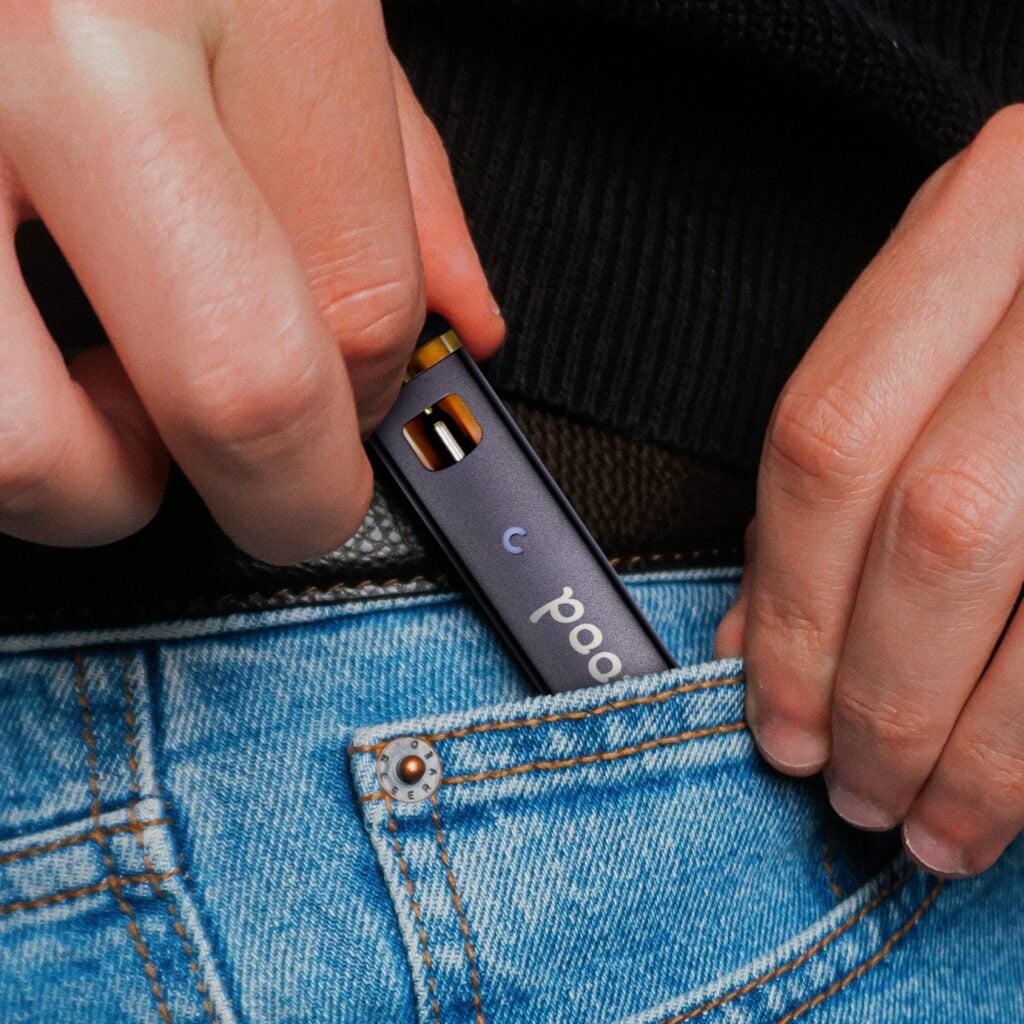
Medical marijuana has existed in whispers for decades. Previously, patients often kept their consumption secret, even from loved ones. The stereotypes were loud: lazy, unserious, reckless.
Although public opinion has shifted dramatically, many patients still carry the weight of this stigma every time they renew their card, visit a dispensary, or talk about medical marijuana as part of their healthcare routine.
What is the social stigma of medical marijuana?
The social stigma of medical marijuana is the negative beliefs and judgments patients can face for consuming medical marijuana. Even when legally prescribed, some people still associate medical marijuana with laziness, irresponsibility, or recreational drug use rather than legitimate symptom management.
The numerous false stereotypes around medical marijuana consumption ignore the reality that many patients turn to the plant to help manage chronic pain, anxiety, PTSD, insomnia, and other serious conditions. The stigma largely comes from decades of federal criminalization, anti-drug campaigns, and misinformation that portrayed medical marijuana as dangerous or morally wrong.
Why is the stigma fading?
Although stigma around medical marijuana still exists, public perception has changed quite favorably over the last decade. An increasing number of patients, healthcare professionals, and lawmakers are recognizing medical marijuana as a legitimate part of healthcare instead of a cultural taboo. This is largely due to:
- More education and research. Patients now have greater access to scientific studies and accurate information about medical marijuana.
- State-by-state legalization. As more states establish medical marijuana programs, the plant is becoming more normalized and regulated.
- Patient visibility. More people are openly sharing how medical marijuana has improved (and continues to improve) their quality of life.
- Medical guidance. Pharmacists, physicians, and dispensary professionals are helping patients approach medical marijuana safely and responsibly.
- Changing generations. Younger generations may view medical marijuana through a health and wellness lens rather than a criminal one.
What are the four types of stigmatization?
Medical marijuana stigma can be perceived, internalized, anticipated, or enacted.
Perceived stigma
Perceived stigma is one’s belief that others view medical marijuana negatively. Patients experiencing this stigma may worry that they’ll be judged by family, coworkers, or healthcare providers.
Internalized stigma
Internalized stigma occurs when someone begins to internalize what are actually external negative messages. This comes up with medical marijuana since many patients feel guilt or shame around their consumption even when they know it’s helping.
Anticipated stigma
Anticipated stigma is the fear of judgment. Some patients hesitate to try medical marijuana, visit a dispensary, or talk openly about their consumption because they worry that others may react negatively.
Enacted stigma
Enacted stigma refers to direct discrimination or unfair treatment toward medical marijuana patients. It can take the form of judgment, social exclusion, negative assumptions, or being treated differently in healthcare, the workplace, or personal settings.
How does stigma affect medical marijuana patients?
Stigma around medical marijuana can influence how patients think about treatment, communicate with providers, and feel about their care. Even as acceptance grows, research shows that external judgment and internalized fear can still shape patient behavior in meaningful ways.
Stigma can make patients:
- Less likely to consider medical marijuana treatments. Stigma can cause patients to hesitate before exploring medical marijuana for their well-being. Longstanding stereotypes and misinformation may cause people to see the plant as “not real medicine” even though it’s legally approved for numerous conditions.
- Less likely to tell healthcare providers about their consumption. A 2024 Harm Reduction Journal study found that anticipated stigma is correlated with lower rates of disclosing medical marijuana consumption to healthcare providers. This matters because transparency helps providers identify drug interactions, adjust medications safely, and provide more informed care.
- Experience a dip in emotional well-being. The guilt, shame, or anxiety that patients may experience around medical marijuana can add stress to an already complex health journey.
- Struggle with healthcare decisions. Internalized and anticipated stigma can influence one’s decisions before they receive any criticism from others. They can quietly discourage patients from starting or continuing medical marijuana treatments.
- Feel less trusting of medical providers. Stigma can affect how comfortable patients feel engaging with the healthcare system overall, sometimes imposing obstacles to the open communication that’s essential for high-quality care.
How to navigate stigma as you consume medical marijuana
Stigma can feel like a bigger barrier than treatment itself for newer patients. The key is creating an experience that helps you feel confident in your choices and care.
- Stay grounded in your “why.” Remind yourself of your reasons for exploring medical marijuana, whether for pain, sleep, anxiety, or another health need.
- Rely on medical guidance. Conversations with dispensary pharmacists and other trained staff replace uncertainty with clarity on dosing, product selection, and having an overall good experience.
- Move at your own pace. There’s no right speed for getting comfortable. Some patients feel confident quickly, while others take time to learn what works for them. Both are completely valid.
- Choose a supportive environment. Your experience is shaped by where you start, and a welcoming, educational setting can make all the difference. At Vytal Options, we meet our patients with guidance, dedication, and a focus on understanding — we leave judgment at the door.
Visit Vytal Options for support and education at every step
Though decreasing in prevalence, stigma around medical marijuana persists, and it doesn’t have to shape your experience or limit your access to care. At Vytal Options, our pharmacists and wellness team will help you navigate the journey with clarity and compassion. Book a consultation at any of our locations for support from specialists who believe firmly in the power of medical marijuana and will help you experience it daily.
